Morning-run laps, coffee cups, books read, good deeds done, business ventures launched, or magnets on the fridge — today or over a lifetime, big or small, it all counts.
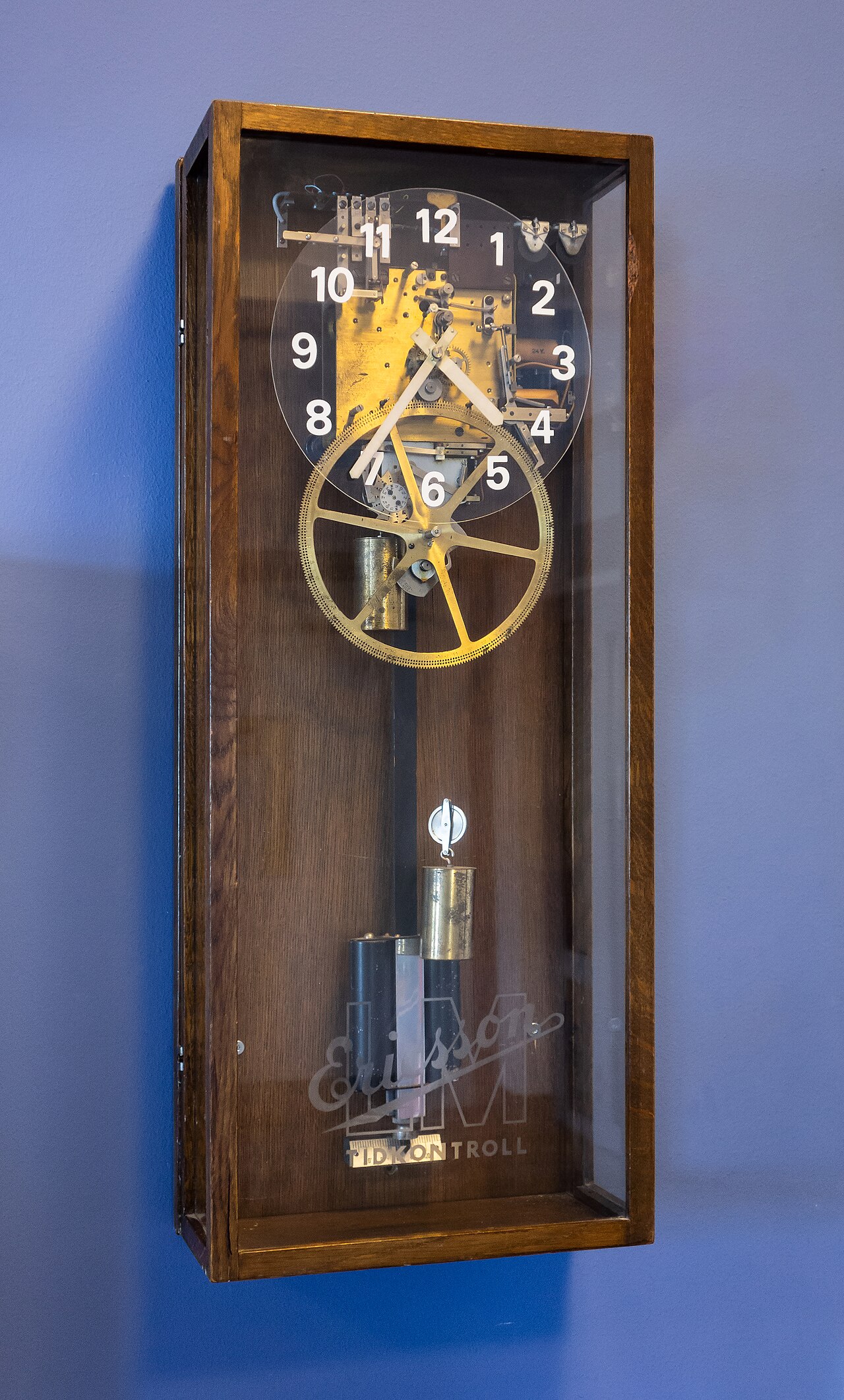
365days ruled by the clockone attempted punch every hour
A year divided into hours
For One Year Performance 1980–1981, Tehching Hsieh attempted to punch a time clock every hour, day and night. The preserved misses matter too: a human life cannot be made perfectly obedient to a counter.
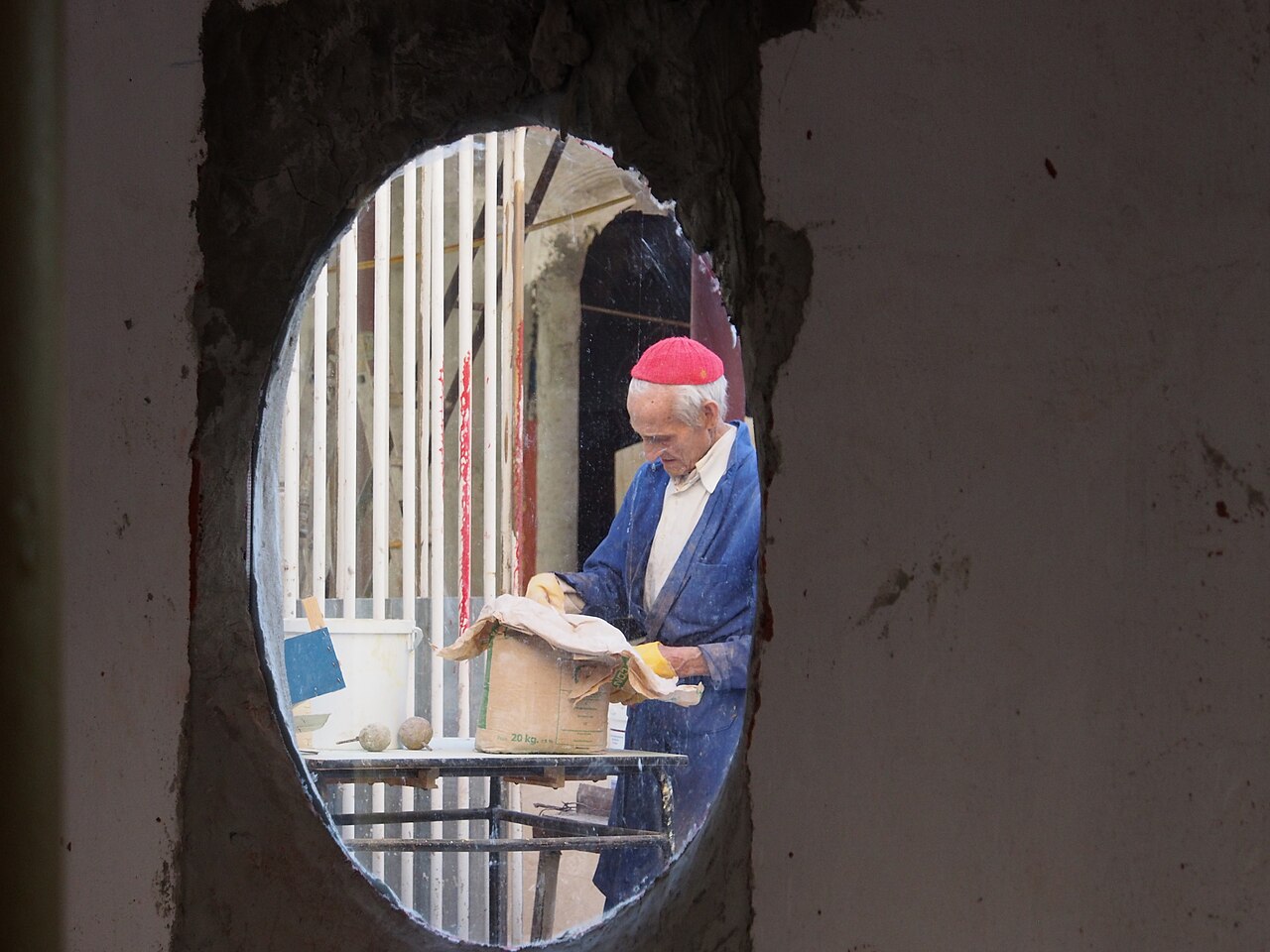
60years building one promiseMejorada del Campo, Spain
Sixty years building a promise
Without formal architectural training, former monk Justo Gallego began a cathedral on family land using donated and reused materials. He worked chiefly by hand, with help from relatives and volunteers, until his death in 2021.
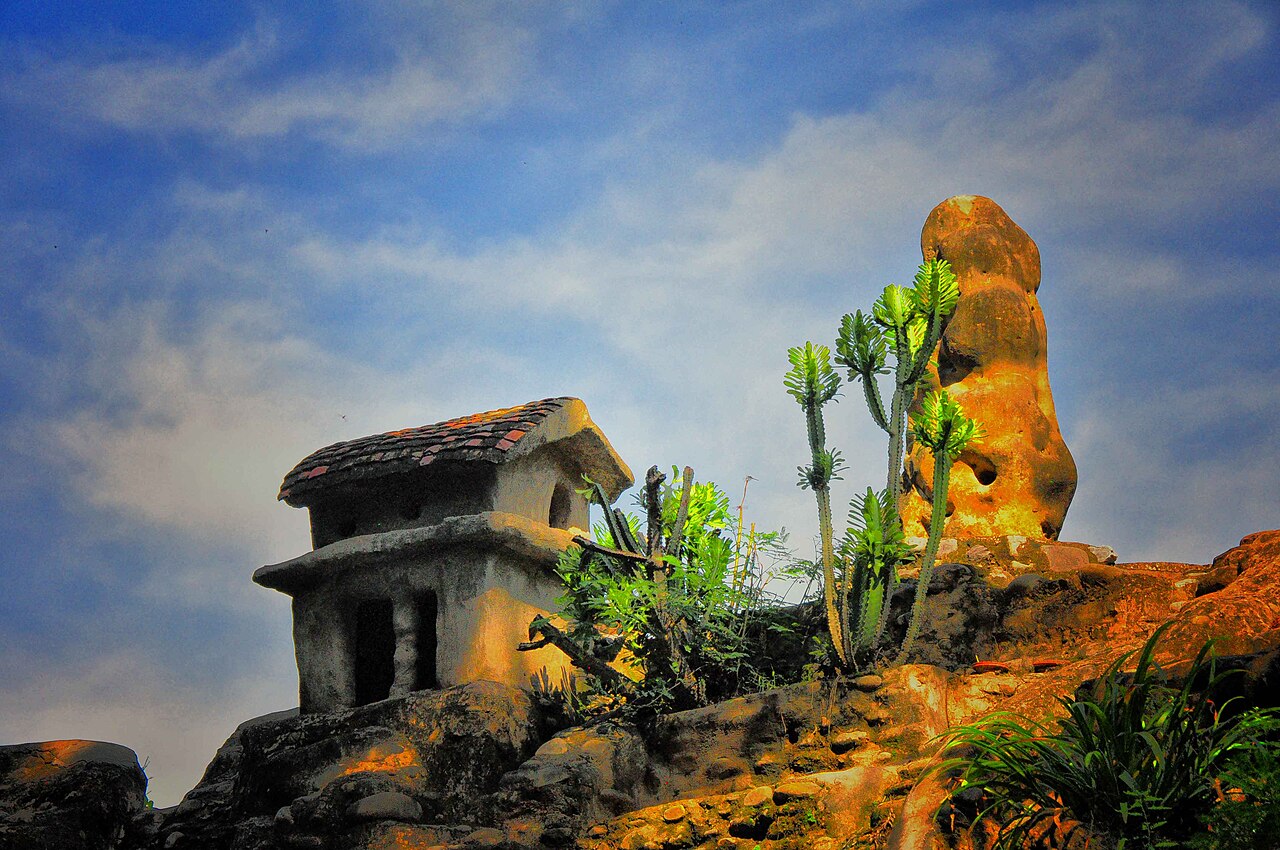
Road inspector Nek Chand secretly built a garden from broken ceramics, bangles, sockets, stone, and construction waste. When demolition threatened it, residents helped turn the hidden world into a public one.
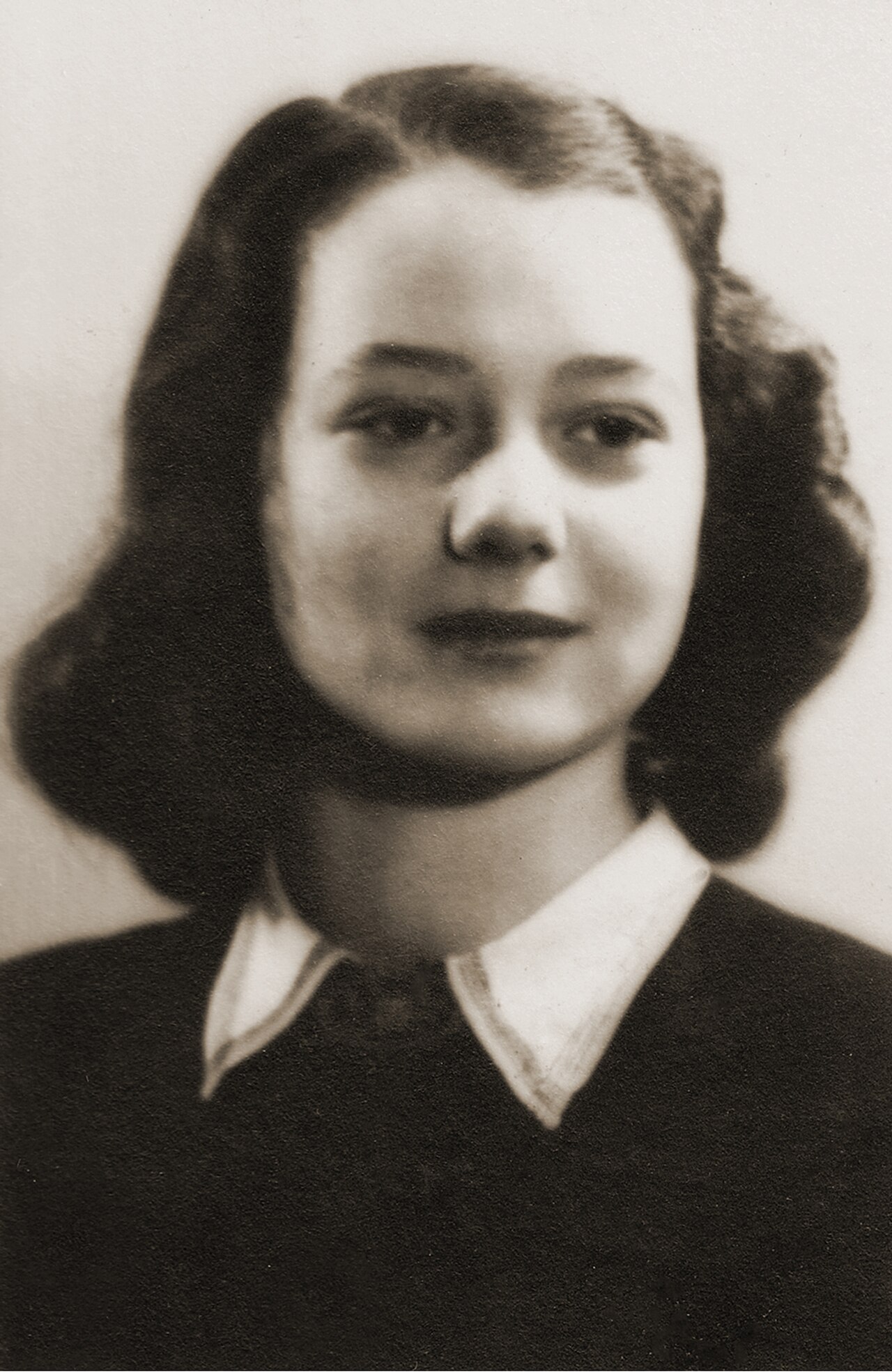
As a teenager, Dita Kraus hid and lent the few books of the children's block — objects whose discovery could mean death. Eight fragile volumes kept learning and imagination present inside a place built to erase both.
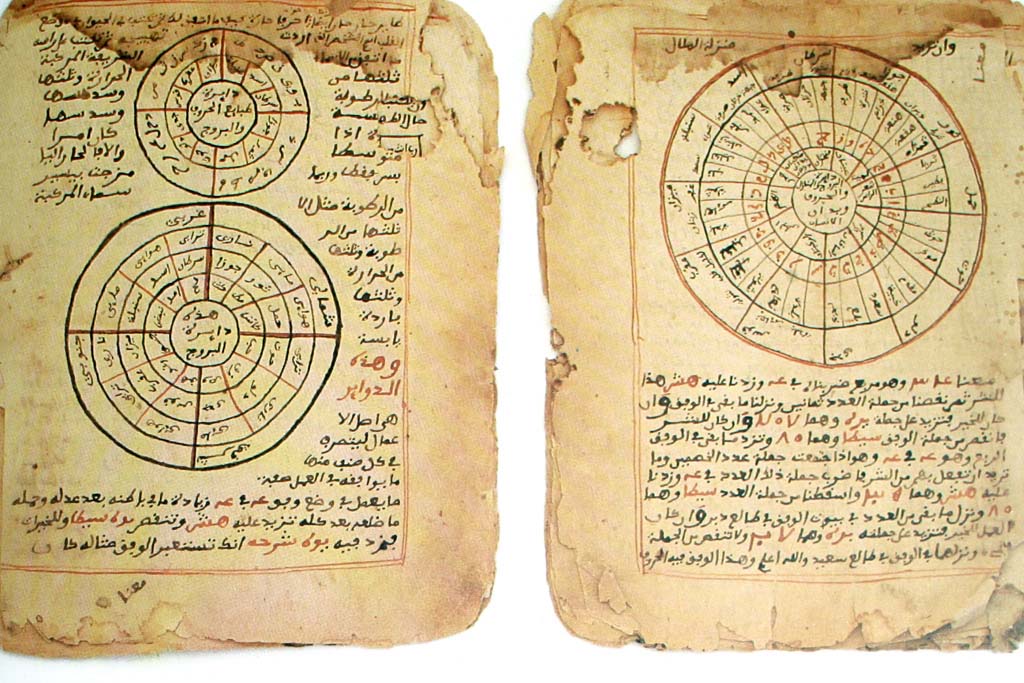
350,000manuscripts carried to safetyTimbuktu to Bamako, Mali
Three hundred fifty thousand texts in metal trunks
When extremists seized Timbuktu, librarian Abdel Kader Haidara helped organise owners, couriers, boatmen, drivers, friends, and families to move a civilisation's written memory out of danger.
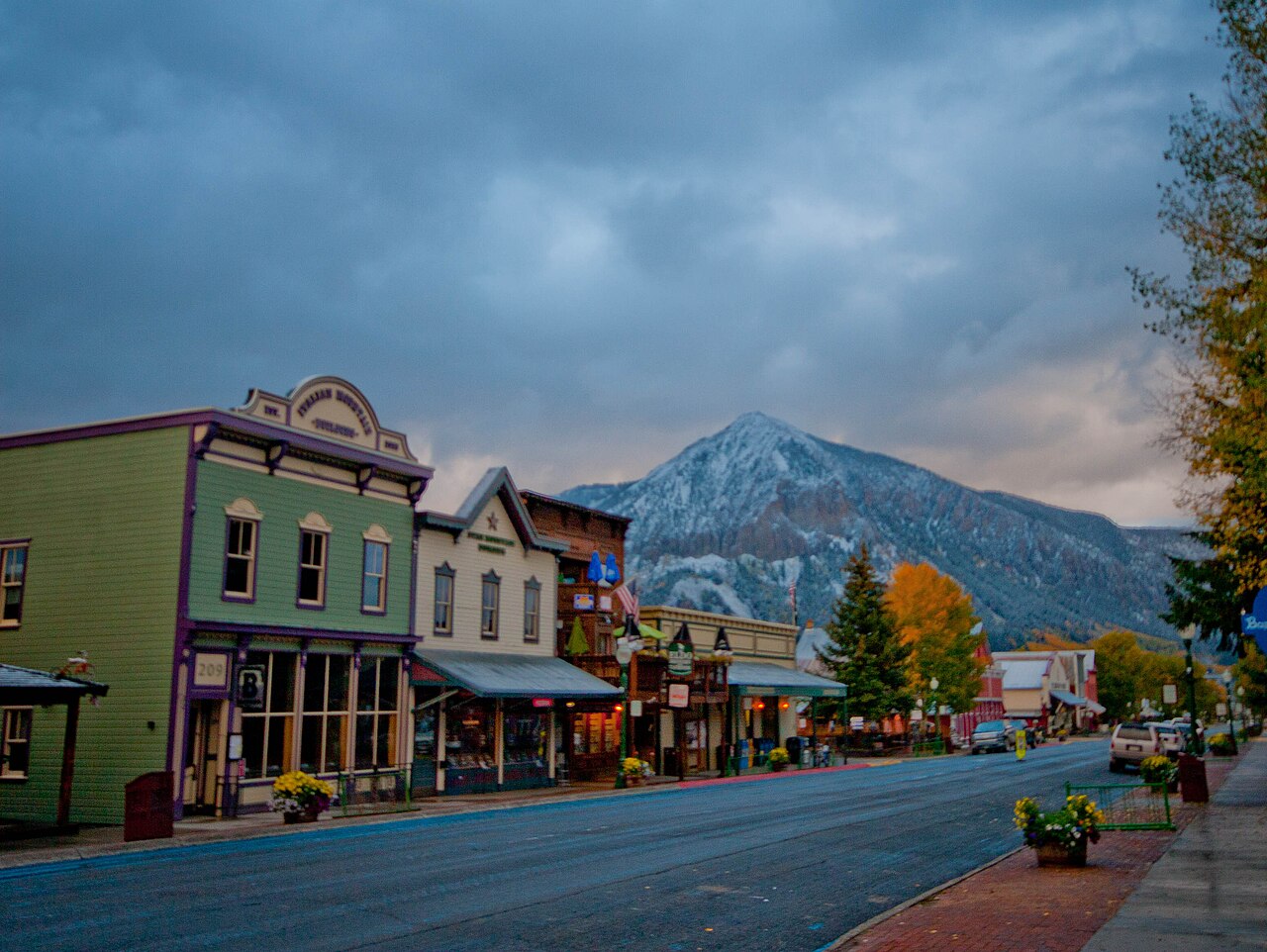
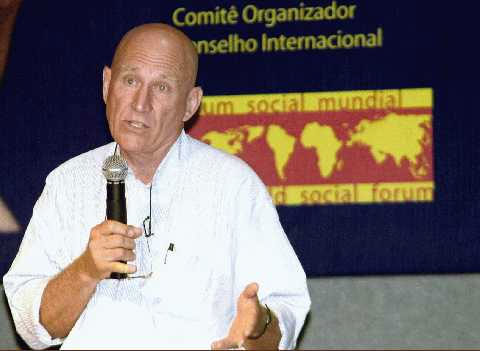
Billy Barr began recording snow and weather in an isolated mountain town to pass the time. His daily notebooks grew into a rare long data series that helps scientists understand a changing winter.
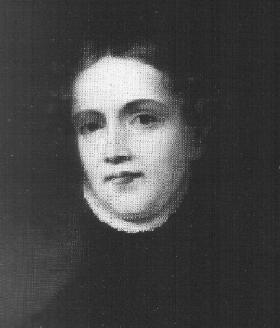
Landowner, traveller, and mountaineer Anne Lister recorded business, politics, and intimate relationships in extraordinary detail, writing part of the diary in code. The record preserved a rare queer history of the nineteenth century.
Jamie Livingston photographed friends, work, streets, illness, and ordinary days almost every day from March 1979 to October 1997. Meaning emerged not from one image, but from the accumulation.
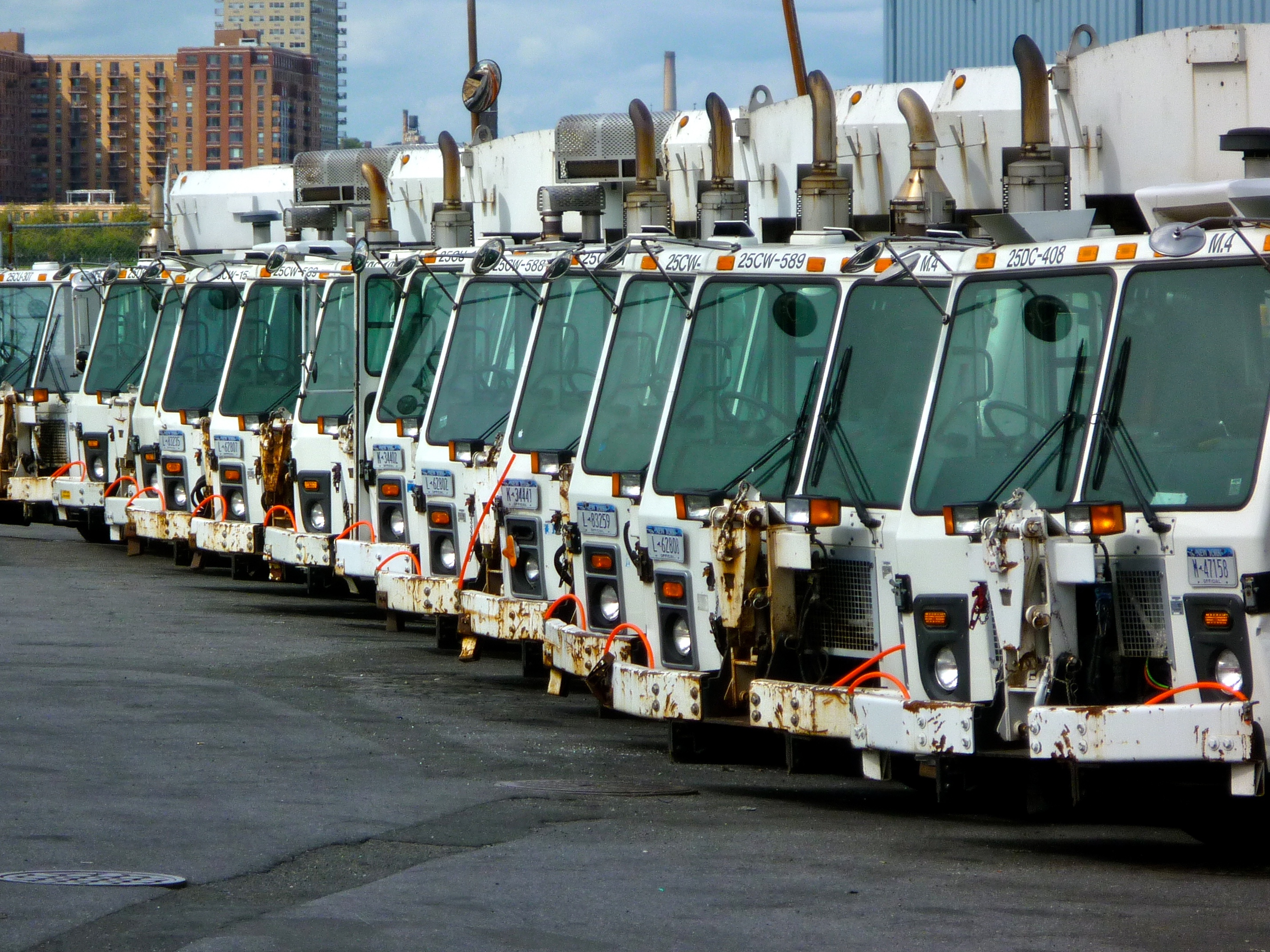
For Touch Sanitation, artist Mierle Laderman Ukeles sought out New York's sanitation workers, shook each hand, and thanked them for keeping the city alive — making unseen maintenance visible.
nearly 80children given a homemore than 30 years of foster care
So no child has to leave alone
Mohamed Bzeek welcomes foster children with severe or terminal diagnoses when few families can. His tally is not lives rescued from death, but children held, known, and accompanied to the end.
When Lélia and Sebastião Salgado returned to degraded family land, Lélia proposed bringing the forest back. Instituto Terra turned that idea into decades of work by a team, local farmers, and millions of seedlings.
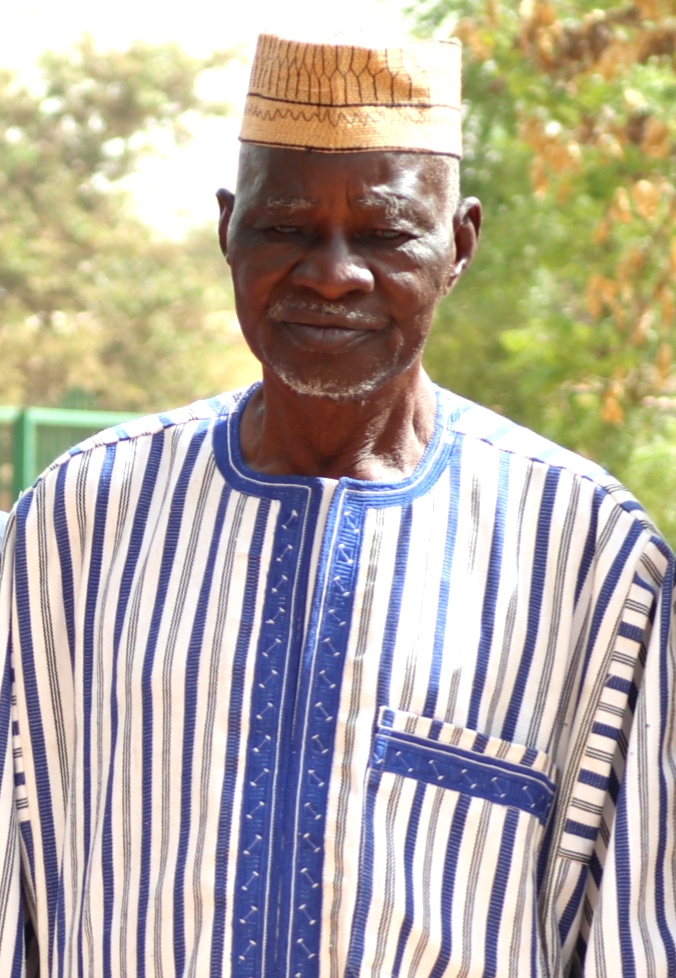
During drought in Burkina Faso, Yacouba Sawadogo adapted traditional zaï pits to hold water and organic matter. What neighbours first doubted became a forest and a method shared with thousands of farmers.
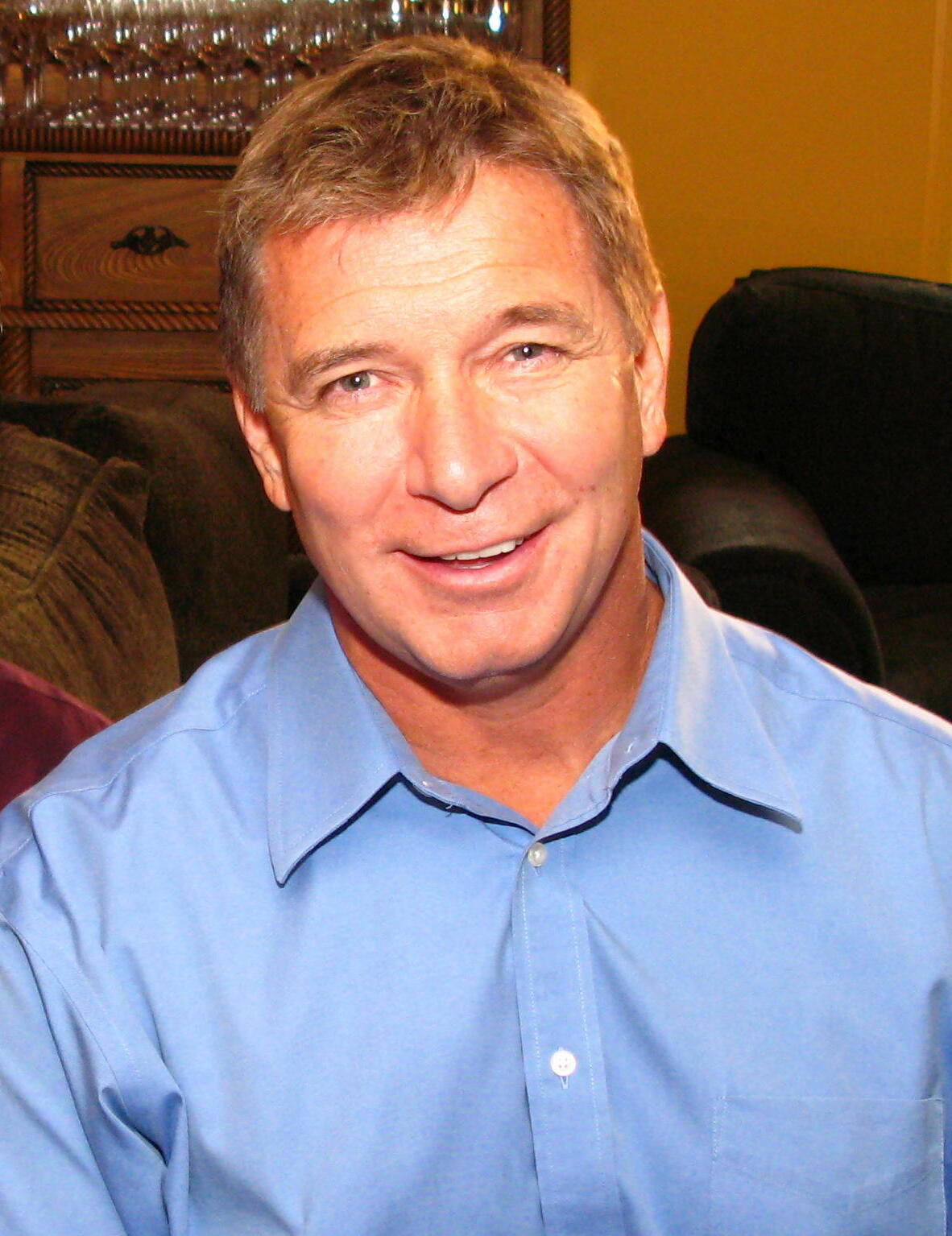
40,075kilometres by wheelchair34 countries · 26 months
Around the world against barriers
Rick Hansen and his team travelled through 34 countries on the Man In Motion World Tour, raising $26 million and changing how people understood disability, access, and possibility.
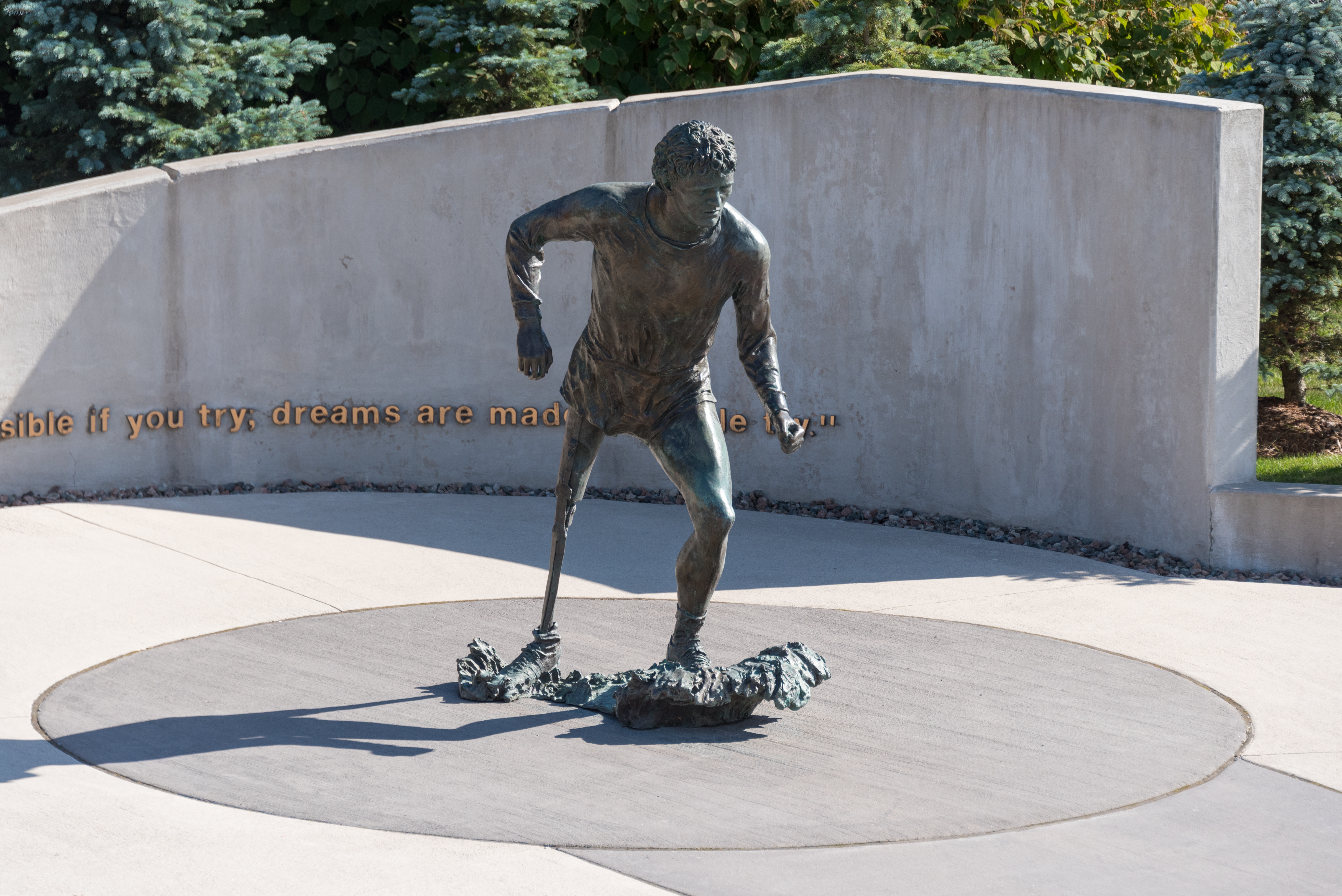
After losing a leg to cancer, Terry Fox ran almost a marathon a day to fund research. A recurrence stopped his Marathon of Hope, but the run continued through millions of people after him.
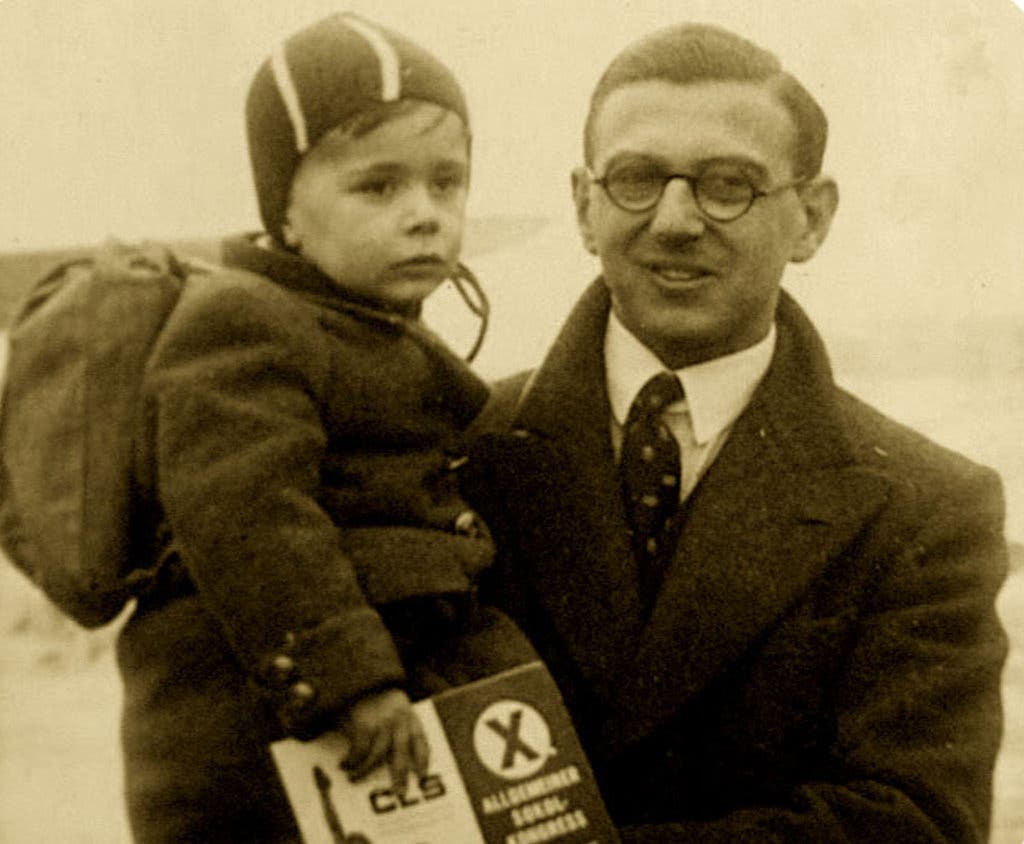
669children brought to safetyCzechoslovakia to Britain, 1939
Six hundred sixty-nine names in a forgotten scrapbook
Nicholas Winton and colleagues in Prague found foster homes, raised guarantees, and organised eight transports for children threatened by Nazi occupation. The work stayed largely unknown for nearly fifty years.
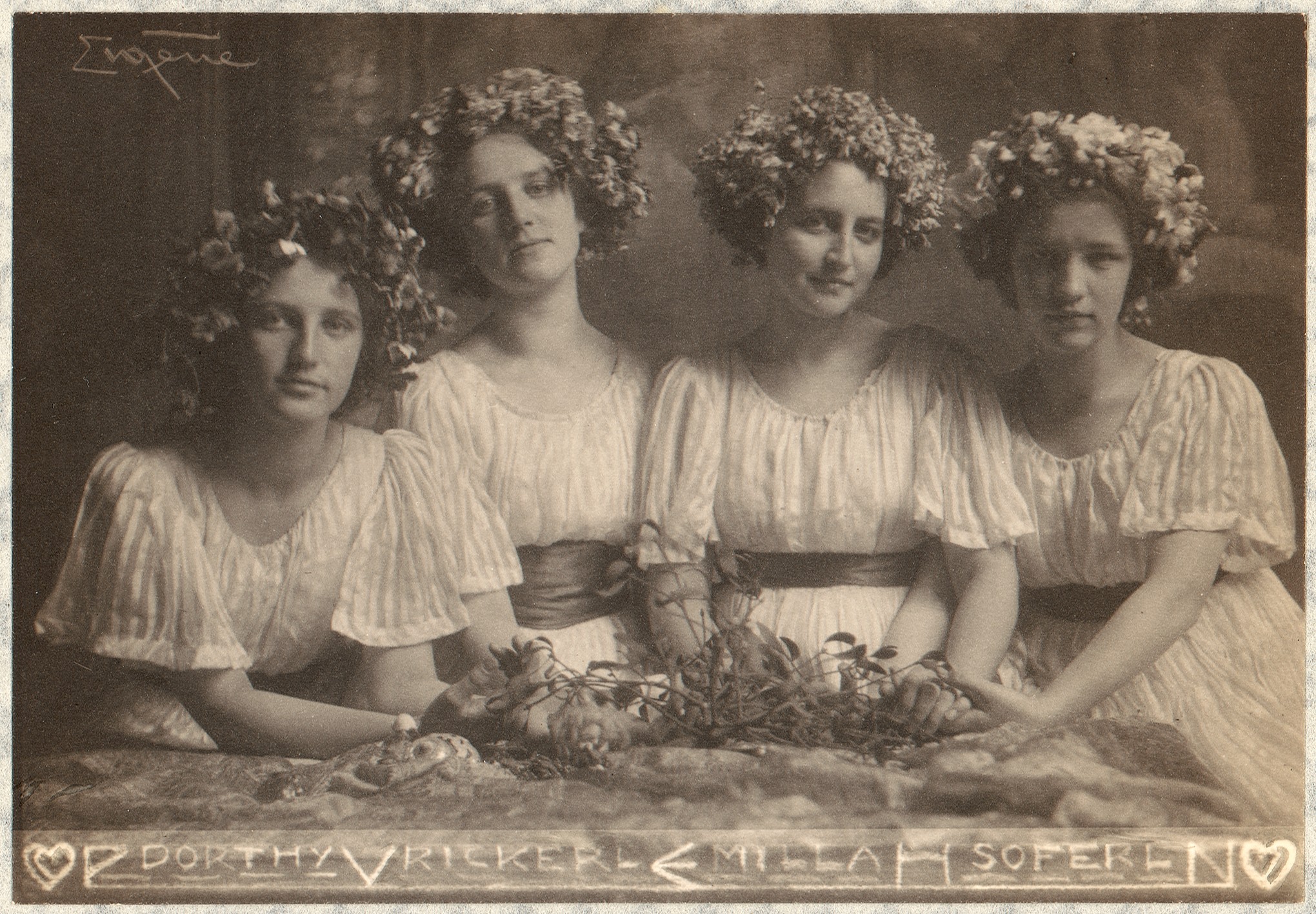
Nicholas Nixon photographed the four Brown sisters every year, always standing in the same order. Almost nothing changes at once; across four decades, time becomes the subject.
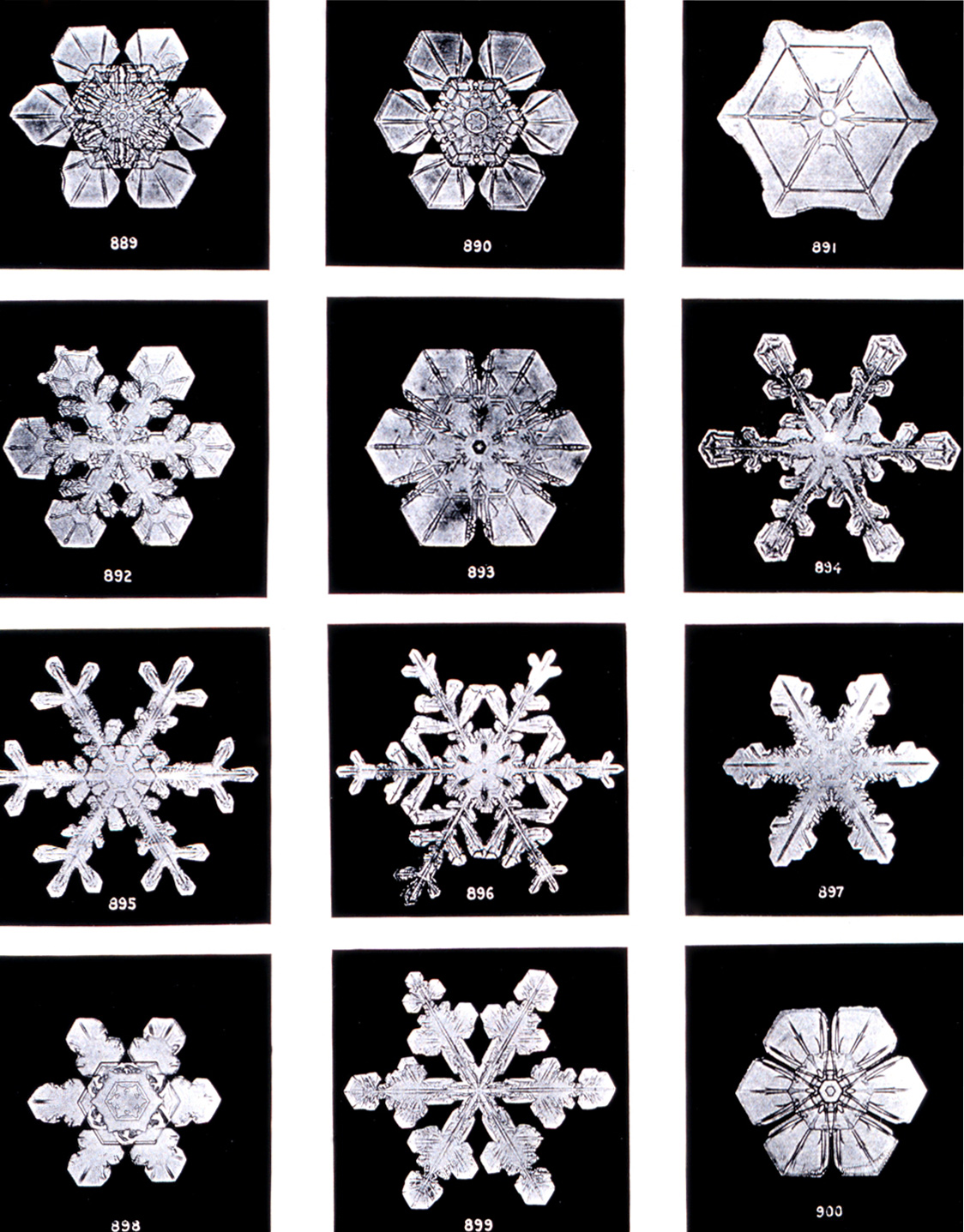
5,000+snow crystals photographedVermont, United States
Five thousand proofs that nothing repeats
For 46 winters, self-taught farmer Wilson Bentley caught snowflakes and photographed them through a microscope. His patient archive made the hidden variety of snow visible and preserved it for science.
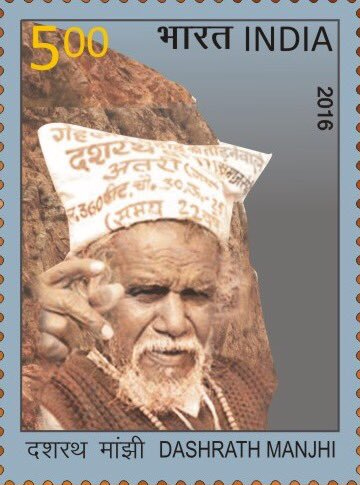
After his wife died before help could reach her, Dashrath Manjhi used a hammer and chisel to cut a 110-metre passage through a ridge. The route between nearby districts fell from roughly 55 kilometres to 15.
At ten, Max Woosey pitched a tent given to him by a dying neighbour and set out to raise £100. He kept sleeping outside for three years and raised more than £700,000 for North Devon Hospice.
Ten mechanisms from three generations of one family, laid out on the table. Each one once counted down someone's life: an alarm every morning, a countdown to discharge, a shift's end. Now they just sit side by side — together showing how much time has passed through one family's hands.
7,777self-portraitsday 7,777 of one photo a day since Jan 11, 2000 — still going
One frame a day, for a whole life
Photographer Noah Kalina has taken a self-portrait every single day without missing one since 2000. He says he won't stop until he dies — almost literally the same idea as the photo mosaic above.
Zoomed all the way out, the library collapses into a dense carpet of thousands of tiny frames. Nine years, and more than fifty thousand moments someone decided were worth pressing a button for.
44childrenacross 15 pregnancies, including triplets and quadruplets
The world's most prolific mother
Mariam Nabatanzi Babirye of Uganda had her first twins at 13 — and forty more children since. Today she measures her own life by that number, not by years.
342stepsChernecha Hora, Kaniv — counted every holiday, all the way up
The steps we always counted together
The most important counting rhyme of my childhood: the staircase up Chernecha Hora to the Taras Shevchenko monument in Kaniv. My family went every holiday, and my parents were always right there beside me — the three of us counting each step out loud, all the way to the top.
550hectares of forestMajuli Island, Brahmaputra River, India
The forest one man grew
Jadav Payeng started planting trees alone on a barren sandbar island at sixteen. More than forty years later, the wasteland is a forest bigger than New York's Central Park, home to tigers, rhinos, and elephants.
James Harrison's plasma carried a rare antibody used to make anti-D medicine. Across more than sixty years, his 1,173 donations contributed to 2.4 million doses for Australian babies — one repeated gesture reaching families he would never know.
What tally would you show the world on your last day? And what do you count as important right now?
TallyTock is an attempt to answer these questions concretely, not abstractly: in watches, trees, photographs, blood donations, haiku — whatever carries real weight for you. And if you haven't figured it out yet, I'd be glad if this site helps you open your own personal tally.
Not just you? Family, a close-knit team — or bigger still. What actually holds you together? Leave the business metrics to Jira — this is by hand, and only together. Tell the world about it, or keep it a secret on your boards.
That's the whole focus — the true value of togetherness.
Know someone who'd want their own tally?
Alex, creator of TallyTock
Before you post
Keep it real, keep it yours
TallyTock is for genuine, personal tallies — something you actually counted, made, or lived through. Not spam, ads, bots, or someone else's story passed off as your own.
No hate, harassment, illegal content, or anything NSFW. This is a place for meaning, not shock value.
Every submission gets a real look before it goes live — read by Alex, working through the queue together with Claude. If something needs to come down, it will.